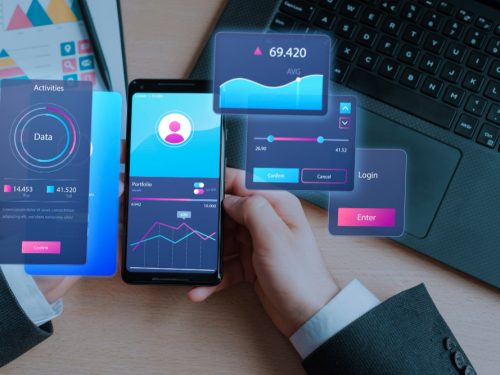
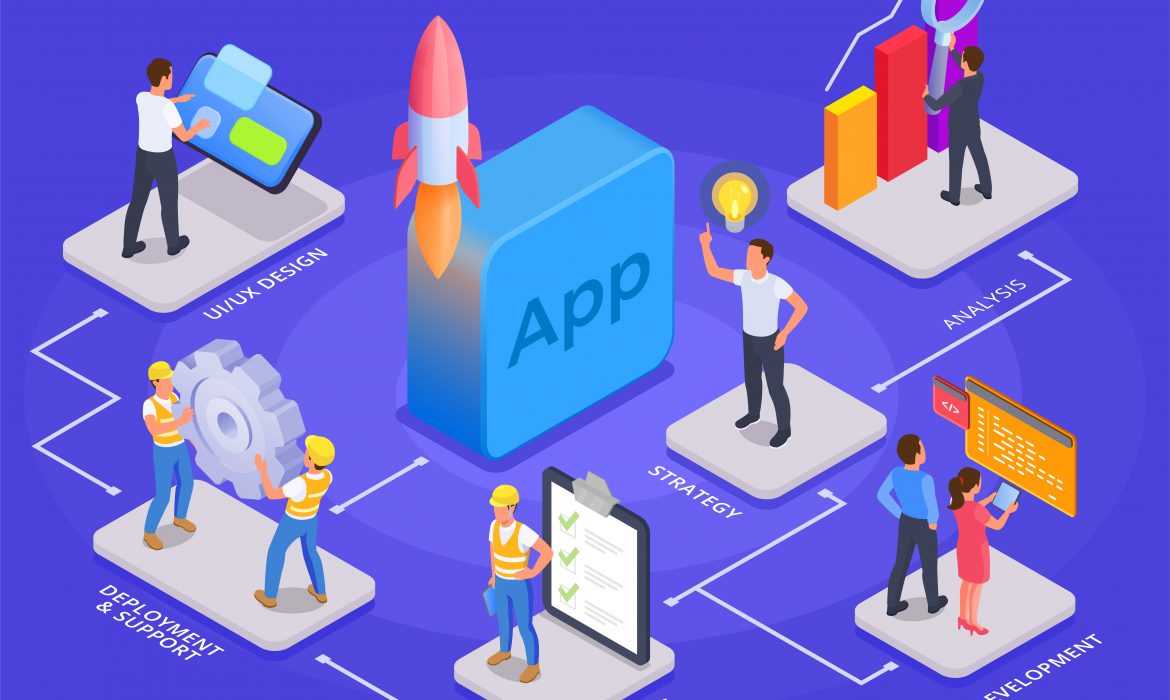
Building a mobile app isn’t magic, but it does require a clear plan and the right tools. At FBIP, we use Flutter to create apps that work seamlessly on both iOS and Android. Our Flutter development process balances speed with quality, turning ideas into functional products that people actually want to use.
Let’s walk through how we build Flutter apps from start to finish, showing you what happens at each stage and why it matters.
What Makes Flutter Different for App Development
Flutter is Google’s UI toolkit for building natively compiled applications from a single codebase. Instead of writing separate code for iPhone and Android users, we write once and deploy everywhere. This saves time and money, but more importantly, it creates consistency across platforms.
The framework uses Dart as its programming language. Dart compiles to native code, which means Flutter apps run fast. No intermediary layers slowing things down. When you tap a button, it responds instantly. When you scroll through a feed, it feels smooth.
Flutter’s widget-based architecture gives us fine control over every pixel on the screen. Everything you see in a Flutter app is a widget, from buttons to entire screens. This modular approach makes apps easier to build, test, and maintain.
Discovery Phase: Understanding What You Actually Need
Every project at FBIP starts with questions, not code. We need to understand what problem you’re solving and who will use your app. This discovery phase typically takes one to two weeks, depending on project complexity.
We hold kickoff meetings where stakeholders share their vision. What does success look like? Who are your competitors? What features are must-haves versus nice-to-haves? These conversations shape everything that follows.
Our team creates user personas based on your target audience. A fitness app for college students needs different features than one for retirees. We map out user journeys to identify friction points and opportunities.
Technical feasibility comes next. Can Flutter handle your specific requirements? Do you need native modules for certain features? We assess third-party integrations, API availability, and any platform-specific constraints. Sometimes Flutter isn’t the right choice, and we’ll tell you upfront.
The discovery phase ends with a project brief that outlines scope, timelines, and deliverables. Everyone signs off before we move forward. This document becomes our north star throughout development.
Design and Prototyping: Making It Visual
Once we know what we’re building, our designers create the visual language for your app. This isn’t just about making things pretty. Good design guides users through tasks without confusion.
We start with wireframes, which are basic layouts showing where elements go on each screen. Think of wireframes as blueprints. They establish information hierarchy and user flow without getting caught up in colors or fonts.
After wireframes get approved, we move to high-fidelity mockups. These look like the finished product, complete with your brand colors, typography, and imagery. We create mockups for different screen sizes to ensure the design adapts properly.
Flutter’s design system capabilities shine here. We build a design system with reusable components that maintain consistency across your app. Buttons, cards, input fields, they all follow the same visual rules. Users learn the interface once and apply that knowledge everywhere.
Interactive prototypes come next. We use tools like Figma or Adobe XD to link screens together, creating clickable demos. You can tap through the app flow before we write a single line of code. This catches usability issues early when they’re cheap to fix.
Setting Up the Development Environment
Before coding starts, our developers prepare their workspace. This setup phase matters more than you might think. A well-configured environment prevents bugs and speeds up development.
We initialize the Flutter project using the latest stable version of the framework. Each project gets its own Git repository for version control. Every code change gets tracked, reviewed, and documented.
Project structure follows Flutter best practices. We organize code into logical folders: screens, widgets, models, services, and utilities. This structure makes the codebase easy to navigate, especially as it grows.
Dependencies get added carefully. Flutter has a rich ecosystem of packages that extend functionality. Need to handle images? There’s a package. Want to connect to Firebase? Another package. We evaluate each dependency for quality, maintenance status, and licensing before adding it.
Environment configurations get set up for development, staging, and production. Each environment connects to different backend services and uses different API keys. This separation prevents test data from mixing with real user data.
The Flutter Development Process in Action
Now we get to the actual coding. Our Flutter development process follows agile methodology with two-week sprints. Each sprint delivers working features that stakeholders can review.
We break down the project into user stories. A user story describes a feature from the end user’s perspective: “As a shopper, I want to save items to my cart so I can buy them later.” Each story gets estimated for complexity and assigned to a sprint.
Developers work on features in parallel when possible. One person might build the authentication system while another creates the product listing screen. Flutter’s architecture makes this parallel work feasible without constant conflicts.
Code reviews happen daily. Before any code merges into the main branch, another developer reviews it. They check for bugs, adherence to style guides, and opportunities for improvement. This peer review catches issues that automated tests miss.
We write tests as we go, not after the fact. Unit tests verify individual functions work correctly. Widget tests ensure UI components render properly. Integration tests check that different parts of the app work together. FBIP typically aims for 70-80% code coverage, which means most of the codebase has corresponding tests.
Flutter’s hot reload feature speeds up development considerably. Developers can change code and see results in seconds without restarting the app. This tight feedback loop makes experimentation easy and helps refine interactions quickly.
Backend Integration and API Connectivity
Most apps need to communicate with servers. Our Flutter development process includes careful integration with backend services, whether we’re building the backend or connecting to existing systems.
We use REST APIs or GraphQL for data exchange. Flutter’s HTTP libraries make these connections straightforward. We implement proper error handling because networks fail. Users on slow connections or in spotty coverage areas should still have a decent experience.
Authentication and authorization get implemented early. Whether it’s email/password, social login, or biometric authentication, securing user data is non-negotiable. We follow industry standards like OAuth 2.0 and JWT tokens.
Data persistence happens locally and remotely. We use SQLite for local databases and shared preferences for simple key-value storage. This local storage lets apps work offline and sync when connectivity returns.
State management deserves special attention. As apps grow, managing data flow becomes tricky. We use proven patterns like Provider, Riverpod, or BLoC to keep state predictable and maintainable. The choice depends on project complexity and team preferences.
Testing Across Devices and Platforms
A Flutter app might work perfectly on one device and crash on another. We test across a representative sample of real devices and screen sizes.
Our testing matrix includes recent iPhone models, popular Android phones, tablets, and different OS versions. We test on physical devices, not just simulators. Real devices reveal performance issues and platform-specific quirks that emulators hide.
Automated testing runs on every code push. Our continuous integration pipeline builds the app, runs all tests, and flags failures immediately. This automation catches regressions before they reach human testers.
Manual testing focuses on user experience. Testers go through complete user flows, trying to break things. They test edge cases: what happens with a 100-character username? What if someone rotates their device mid-action? What if the network drops during a transaction?
Performance profiling identifies bottlenecks. We measure frame rates, memory usage, and app startup time. Flutter’s performance overlay helps spot janky animations or excessive rebuilds. Apps should feel responsive even on older devices.
Deployment and Launch Preparation
Getting an app into app stores involves more than uploading files. Both Apple’s App Store and Google Play Store have review processes and requirements.
We prepare store listings with compelling descriptions, screenshots, and preview videos. These marketing materials influence download decisions, so they get the same attention as the app itself.
App signing and certificates get configured properly. Each platform has its own process for securely signing apps. We handle this setup so your app can receive updates smoothly.
Beta testing through TestFlight (iOS) and Google Play Beta (Android) lets real users try the app before public launch. We gather feedback, fix bugs, and make adjustments based on actual usage patterns.
The FBIP team submits the app for review, addressing any feedback from store reviewers promptly. Apple’s review typically takes one to three days, while Google’s is often faster but can occasionally take longer.
Post-Launch Support and Iteration
Launch day isn’t the finish line. Apps need ongoing maintenance, bug fixes, and feature updates.
We monitor crash reports and analytics to identify issues quickly. Firebase Crashlytics and similar tools alert us when users encounter problems. We prioritize fixes based on impact and frequency.
User feedback guides future development. App store reviews, support tickets, and usage analytics reveal what’s working and what needs improvement. The best features often come from listening to actual users.
Performance monitoring continues post-launch. We track load times, API response rates, and user engagement metrics. This data helps us optimize the app over time.
Regular updates keep the app fresh and secure. We update Flutter and third-party packages to get bug fixes and new features. We also add capabilities based on your roadmap and market demands.
Why This Process Works
Our Flutter development process balances structure with flexibility. The framework provides clear stages, but we adapt based on project needs. A simple app moves faster through these phases than a complex enterprise solution.
Transparency matters throughout. You’re not waiting months to see progress. Sprint demos happen every two weeks. You see working features, provide feedback, and influence direction.
Quality doesn’t happen by accident. It comes from careful planning, rigorous testing, and constant refinement. Every decision considers long-term maintainability, not just short-term convenience.
The single codebase advantage of Flutter means we’re not duplicating effort across platforms. Updates reach all users simultaneously. Bug fixes solve problems for everyone at once. This efficiency translates to faster delivery and lower costs.
Frequently Asked Questions
How long does the Flutter development process typically take?
Project timelines vary widely based on complexity and features. A simple app with basic functionality might take 8-12 weeks from discovery to launch. More sophisticated apps with custom features, complex backend integration, and extensive testing often require 4-6 months. We provide detailed estimates after the discovery phase when we fully understand your requirements.
Can you add native platform features to a Flutter app?
Yes, Flutter supports platform-specific code through platform channels. If you need iOS-specific features like Apple Pay or Android-specific capabilities like home screen widgets, we can integrate them. We write native code (Swift for iOS, Kotlin for Android) when necessary and connect it to your Flutter app through well-defined interfaces.
What happens if we need changes during development?
Changes are normal and expected. Agile methodology accommodates evolving requirements. We assess each change request for impact on timeline and budget. Small tweaks often fit within existing sprints. Larger changes might extend the project or require adjusting other features. Clear communication ensures you make informed decisions about scope changes.
How do you ensure our Flutter app performs well?
Performance is built in from the start, not bolted on later. We follow Flutter best practices, avoid common performance pitfalls, and profile the app regularly. We test on lower-end devices to ensure acceptable performance across the device spectrum. Before launch, we conduct thorough performance testing and optimization to deliver a smooth user experience.
Do you provide training on managing the app after launch?
Absolutely. We offer documentation and training tailored to your team’s technical level. If you have developers who will maintain the app, we provide code walkthroughs and technical documentation. For non-technical stakeholders, we focus on using analytics dashboards and understanding user feedback. Ongoing support packages are available if you prefer we handle maintenance.